How to Approach Small Painting Jobs Around Your Melbourne Property
@melbpaint72578182
October 10, 2026 · 2 min read
Not every painting project calls for a full room or building makeover. A scuffed hallway, peeling window trim or marked office wall may need only a small area of attention. Tackling these jobs thoughtfully can improve a space and help protect the surface, while avoiding common problems such as mismatched colour or visible patch edges.
Decide whether a touch-up is enough
First, work out why the paint is damaged. Marks from furniture or everyday contact may respond to gentle cleaning, while flaking, bubbling or recurring stains can indicate a preparation issue, moisture or another underlying problem. Painting over an active leak or loose coating is unlikely to produce a lasting result. Address the cause and allow the surface to dry before repainting.
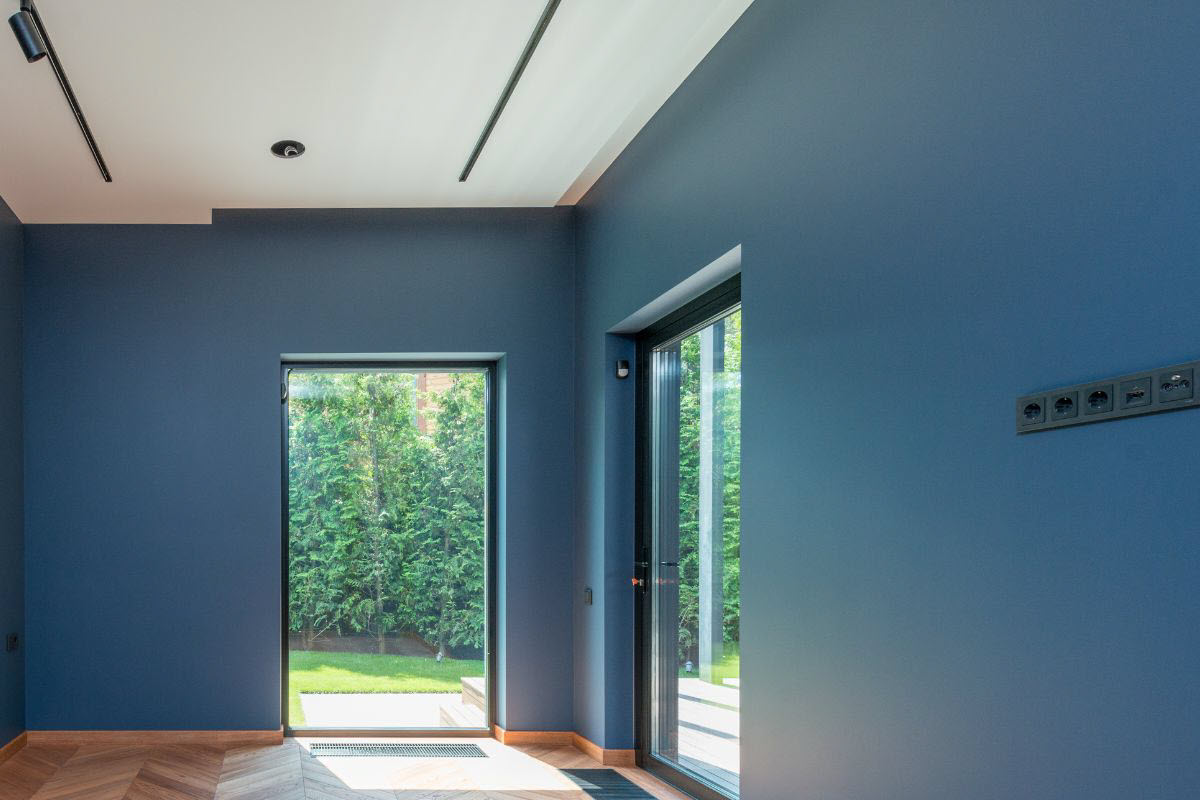
Consider how noticeable the area is and whether the existing paint is still https://melbpaint92839095.northcrestbrief.com/posts/how-to-keep-a-melbourne-painting-project-safe-and-tidy available. Even a paint colour with the same name can look different if the original coating has aged, become dirty or faded in sunlight. A small test patch in an inconspicuous spot can help you assess the match once it has dried.


Prepare the surface carefully
Good surface preparation matters on small jobs just as much as on larger ones. Move or cover nearby items, clean away dust and grime, and let the area dry. Remove loose paint carefully and smooth rough edges where appropriate. If sanding is needed, use suitable dust controls and take care around older coatings, which may require specialist assessment before disturbance.
Fill minor dents or holes with a product suited to the surface, then allow it to dry and sand it smooth. Remove sanding dust before applying paint. Bare patches may need a compatible primer or sealer; follow the product directions and consider the existing coating when selecting materials.
Apply paint for a blended result
Use the same paint type and finish as the surrounding area where possible. Stir thoroughly and apply thin, even coats, allowing the recommended drying time between them. A brush can suit trim and edges, while a small roller may help match the texture of a rolled wall. Avoid stopping abruptly in the middle of a broad, visible surface; feathering the application towards the surrounding area can reduce a hard boundary.
Know when to expand the scope
If the colour cannot be matched, damage covers a large area, or repeated touch-ups leave a patchy appearance, repainting the whole wall or section may be more consistent. For Melbourne homes and commercial properties, also account for ventilation, access and the needs of people using the space. Small jobs are manageable when the cause, preparation and finish are considered together—not just the paint colour.
Melbourne House Painting Pros
2/147 Swan St, Richmond VIC 3121
(03) 4051 5313